The benefits of using videos in your class
A video is a type of digital media that allows for the quick dissemination of visual information. They have become an essential part of communication, storytelling, and marketing.
There are several different types of videos, including narrative, documentary, instructional, and comedic. Cinematic video production is a specialized form of video production that uses special effects and animation video to create a movie-like experience. Immersive videos allow viewers to feel like they’re in the scene itself.
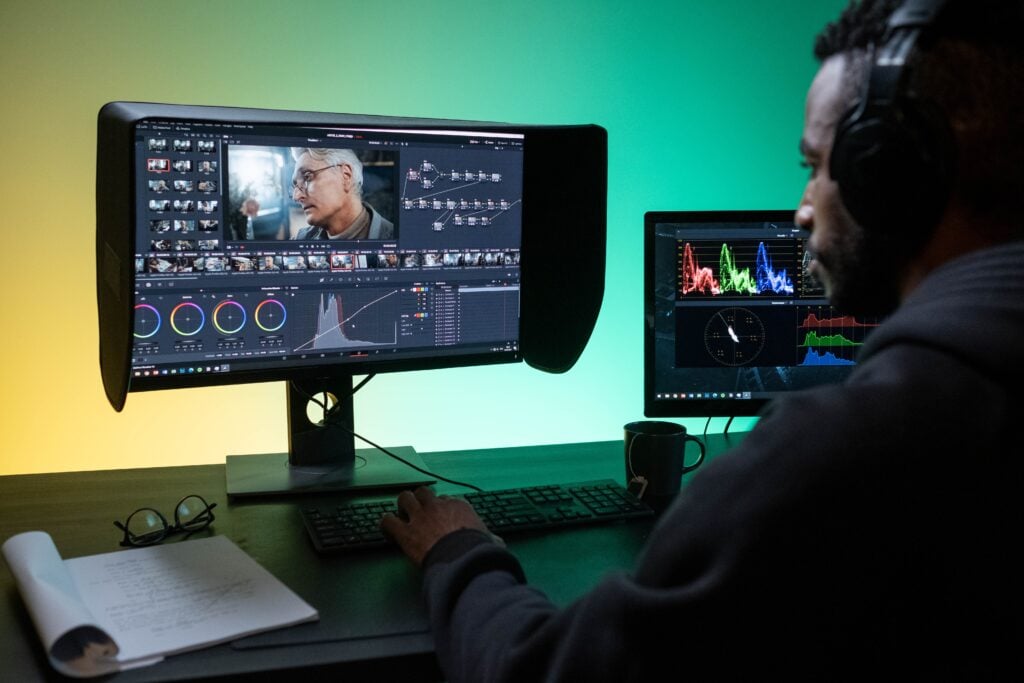
Creating a video involves filming, editing, directing, and presenting information in a visual form. Free editing tools are now available, making it easy to create your own videos. This means that anyone can easily make high-quality videos with only a few tools, regardless of their technical knowledge or experience.
How does using video for learning work?
The use of video in educational settings is associated with a variety of positive outcomes.
Students can be motivated to study; traditional teaching techniques can be supplemented, and students can gain hands-on experience through video. Watching films can assist children in developing their imaginative and analytical thinking skills.
In addition, using video in the classroom can help students retain more of what they have learned and make the material more interesting. Bringing videos into classrooms has been shown to help students learn more. In particular, video can serve as a source of supplementary instructional information and aid in classroom delivery.
Students acquire new information in a manner that is both speedy and effective through the use of video lecture series. In addition, students can remember information they may have forgotten or are having difficulty with when reading by watching movies.
Showing movies in the classroom can thus help students learn new words and better grasp more complicated ideas.
Homeschoolers could also benefit from watching videos at home. They have the advantage of accessing high-quality supplemental resources no matter where they are in the world because of the availability of internet educational films.
Videos make it easier for students to remember knowledge and they also serve as a useful tool for students to use when going over their assigned homework.
Tools Required for Making Educational Videos
There are a few different software tools that can be used for educational video production. Some of the most commonly used tools include online slideshow maker, video editing, screen capture, and animation software. Each has features and benefits that can be used in educational videos.
Educators can use the best video slideshow maker to create engaging content personalized for each classroom. Other educational video production options include an easy-to-use screen capture tool that can capture and record screen footage for educational videos. Some most commonly used platforms to upload or host educational videos include YouTube, Hootsuite, etc.
Each of these tools has its own set of features and can be used as a platform to share immersive and engaging videos for students:
- YouTube is a free video hosting platform that offers an easy way to upload, share, and manage videos
- Hootsuite is a social media management tool where users can track and manage their social media accounts in one place
- Vimeo is a premium video hosting platform where you can share high-quality videos and photos
These are just some options for educational video production software and tools. Many other options are available, so it is important to find what works best for your specific needs as an educator.
Would you like to add a spark to your classes by making a video? Try InVideo, it’s free!
