10 exciting games for elementary students to boost language proficiency
Are you concerned about your child’s language skills and feel that traditional learning methods are not meeting their needs? Language proficiency is vital for your child’s academic development and success. However, it’s no secret that traditional learning methods can be uninspiring and repetitive.
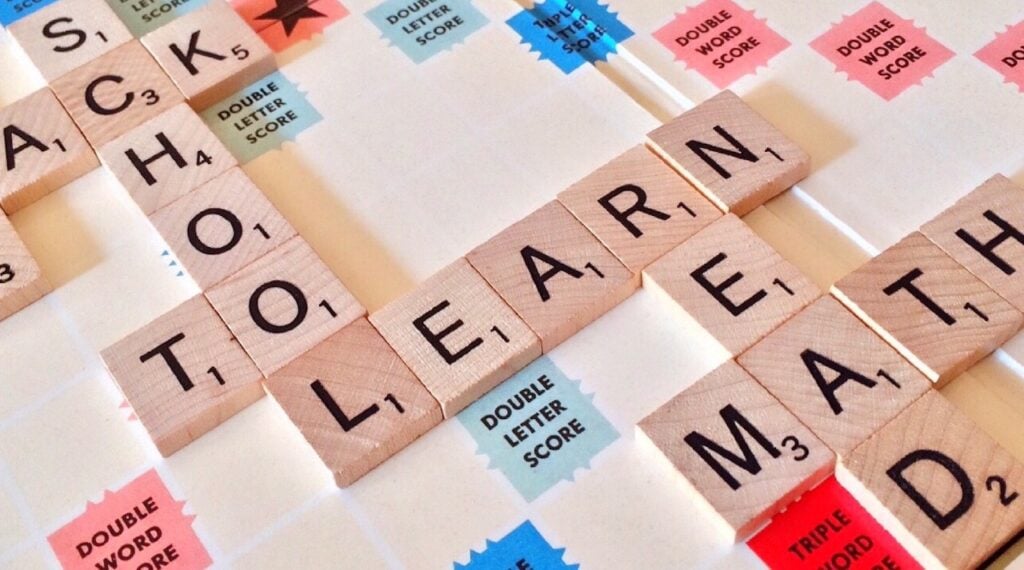
This is where interactive games for kids come into play. They offer an engaging and effective approach to enhance your child’s language proficiency while keeping them entertained.
This article aims to present 10 educational ELA games that can captivate your child’s interest and assist them in improving their language skills. These games cover various aspects, such as vocabulary expansion, grammar mastery, and fostering creativity. Get ready to explore an exciting world of interactive learning that combines education and fun!
1. Word bingo
Word Bingo is perfect for you and your child if you’re looking for a game that can make vocabulary learning fun. It’s a simple yet engaging game that will help expand your child’s word bank while having a great time.
Here’s how it works:
- Create bingo cards with various words related to a specific theme or topic.
- Call out the words randomly, and your child will mark the corresponding word on their bingo card.
- The goal is to get a line or a full house of marked words on the card.
2. Storytelling chain
If you want to foster your child’s creativity and language expression, then Storytelling Chain is the perfect game for you and your little storyteller. It’s a fantastic way to ignite their imagination while improving their language skills.
Here’s how it works:
- Start by initiating a story with a captivating opening sentence.
- Let your child contribute by adding the following sentence to continue the story.
- Take turns building upon each other’s sentences, creating a unique and exciting narrative.
3. Vocabulary relay
Vocabulary Relay is an exciting game that will make your child’s vocabulary soar and get them moving and grooving. It’s a perfect way to turn language learning into an active and enjoyable experience!
Here’s how it works:
- Divide the participants into two teams, including your child and their friends or siblings.
- Set up a relay course with stations, each representing a different word category (e.g., animals, food, emotions).
- Place flashcards or word cards related to each category at the corresponding stations.
- The first player from each team runs to a station, reads the word aloud, and then sprints back to tag the next teammate.
- The relay continues until all the words are covered.
4. Phonics fun
Phonics Fun is one of the best phonic games for kids that focuses on developing phonics skills in a playful and interactive way. It improves their phonemic awareness and ability to recognize and produce specific sounds.
Here’s how you can play Phonics Fun:
- Prepare a set of word cards with pictures representing different phonics sounds or letter combinations (e.g., “cat,” “ship,” “rain”).
- Spread the cards face up on a table or the floor.
- Each player selects a card and says the corresponding sound or letter combination.
- Encourage your child to identify words that contain the same sound or letter combination.
5. Synonym slap
Synonym Slap is a lively and interactive game that will help your child expand their vocabulary while adding an element of excitement. Get ready to see their language proficiency soar as they engage in this engaging word-matching activity!
Here’s how it works:
- Prepare a set of word cards with pairs of synonyms (words with similar meanings) written on them.
- Spread the cards face up on a table or the floor.
- Two players compete against each other, taking turns flipping over one card at a time.
- When a player spots a pair of synonyms, they quickly slap the cards to claim them.
- The player with the most pairs of synonyms at the end of the game wins.
6. Grammar Tic-Tac-Toe
Grammar Tic-Tac-Toe is a fantastic game combining the classic tic-tac-toe with grammar practice. It’s an enjoyable way to reinforce your child’s understanding of grammar rules while having fun together.
Here’s how it works:
- Draw a tic-tac-toe grid on paper or use a premade template.
- Assign a specific grammar rule or concept to each square (e.g., verb tenses, pronouns, punctuation).
- Players take turns choosing a square and providing an example sentence that follows the assigned grammar rule.
- If the sentence is correct, they mark the square with their chosen symbol (X or O).
- The first player to get three in a row, either horizontally, vertically, or diagonally, wins the game.
7. Story starters
Story Starters is a creative and imagination-boosting game that will ignite your child’s storytelling abilities while enhancing their language proficiency. Get ready to embark on exciting storytelling adventures together!
Here’s how it works:
- Gather a collection of story starter prompts or write them on individual cards.
- Each player takes turns selecting a story starter and begins telling a story based on that prompt.
- Encourage your child to use descriptive language, engage their senses, and develop engaging characters and plotlines.
- After a set time or when the story naturally concludes, it’s the next player’s turn to continue the storytelling.
8. Rhyme time
Get ready to embark on a rhyming adventure with your child through the exciting game of Rhyme Time! This game will enhance their phonological awareness and spark their creativity and love for language.
Here’s how it works:
- Choose a starting word or phrase, such as “cat” or “funny day.”
- Take turns creating words that rhyme with the chosen word or phrase.
- Encourage your child to be imaginative and think of as many rhyming words as possible.
- Keep the momentum going, and challenge each other to come up with unique and creative rhymes.
9. Spelling bee
Get ready to put your child’s spelling skills to the test with the classic and beloved game of Spelling Bee! It’s an engaging activity that will help improve their spelling accuracy and boost their language proficiency.
Here’s how it works:
- Choose a list of age-appropriate words for your child to spell.
- Take turns giving your child a word to spell out loud.
- Encourage them to pronounce the word, break it down into syllables if needed, and spell it correctly.
- If they spell the word correctly, move on to the next word. If not, provide gentle guidance and offer them another chance.
10. Word puzzles
Word puzzles are a great source of entertainment and a fantastic way to enhance your child’s language skills. With their engaging and challenging nature, word puzzles offer a fun and educational activity for parents and children.
Here’s how it works:
- Choose from a variety of word puzzles such as crosswords, word searches, or anagrams.
- Encourage them to solve the puzzles independently, but offer assistance when needed.
- Discuss the meanings and definitions of the words they encounter in the puzzles, fostering vocabulary expansion.
Making Language Learning Fun and Effective
These are just a few ELA games I really like. Incorporating them into your students’ routines can make a world of difference in their language proficiency journey. From interactive games like Word Bingo to engaging activities like Grammar Tic-Tac-Toe, learning becomes fun and effective.
Additionally, you can explore other educational resources such as online learning games and materials to support your child’s language development further.
So, get ready to embark on this adventure with your child, watching their language skills flourish while creating joyful memories together. Let the games begin!
Gale – Gallery Teachers’ AI EFL Tutor
Explore how Gale – can help you to learn English. Gale is powered by OpenAI.